FirstEnergy Corp., Akron, Ohio, has announced that it plans to convert two power units at its R.E. Burger Plant in Shadyside, Ohio, to generate electricity principally with biomass feedstock.
When the retrofit is complete, the Burger Plant is expected to be one of the largest biomass facilities in the United States, according to a First Energy news release.
“Retrofitting the Burger Plant for biomass will expand our diverse generation portfolio even further and continue our support of state and federal efforts to increase reliance on renewable energy sources,” says FirstEnergy President and CEO Anthony J. Alexander.
“This project will help jump-start the biomass renewable energy industry here in Ohio and also serve as a model for projects throughout the U.S.,” remarks Ohio governor Ted Strickland. “In addition to retaining jobs at the Burger Plant, this project has the potential to create additional jobs and investments, particularly as biomass fuel suppliers work to meet the needs of this operation and as other renewable energy projects are developed in Ohio. The Burger project advances Ohio’s advanced energy portfolio standard, which requires that 25 percent of Ohio's energy come from advanced and renewable energy sources by 2025.”
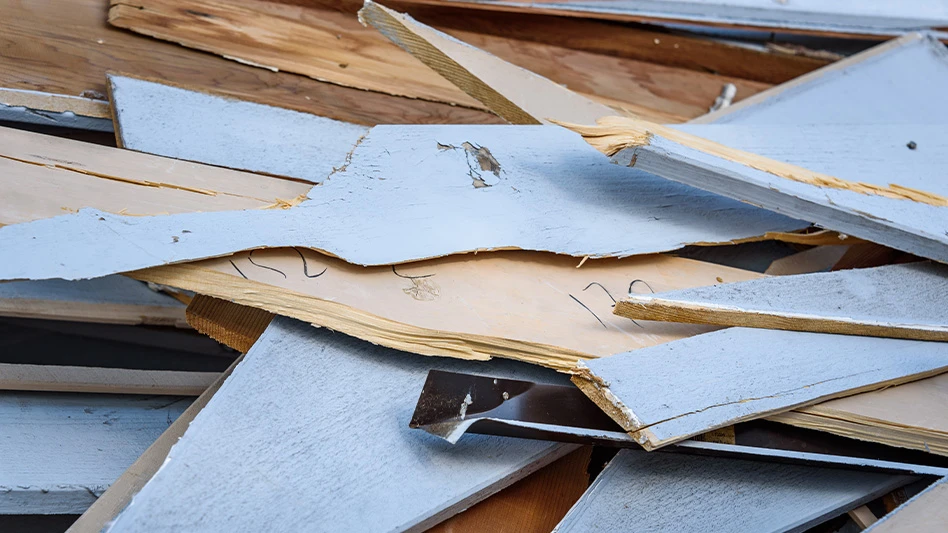
Scrap wood is not necessarily being considered as feedstock at the plant. Ultimately, the company expects the project to feature a closed-loop system, meaning it would use biomass derived from an energy crop grown specifically for use as a fuel source.
According to a report on the Web site of the Plain Dealer of Cleveland, “fast-growing, bio-engineered cottonwood trees and grasses will be grown in Ohio and pressed into cubes in a new factories built by Renafuel LLC, a subsidiary of Cleveland-based Cliffs Natural Resources Inc.”
The state has estimated the cost of creating the tree farms and constructing cube production facilities at about $100 million. It is unclear to what extent the state or First Energy considered other fuel sources, including scrap wood, residuals or byproducts.
The capital cost for retrofitting the Burger Plant to burn biomass is estimated to be approximately $200 million. Once the project is completed, units 4 and 5 of the Burger Plant could be capable of producing up to 312 megawatts (MW) of electricity, which is also its current capacity.
Latest from Construction & Demolition Recycling
- Greenwave raises revenue but loses money in Q2 2025
- Recycled steel prices hold steady
- John Deere launches ‘Building America’ excavator contest
- Triumvirate Environmental acquires Environmental Waste Minimization
- Coastal Waste & Recycling expands recycling operations with Machinex
- Reconomy acquires German-based GfAW
- CommanderAI launches HaulerCentral database
- Glass Recycling Foundation releases 2025 Impact Report