A decade worth of changes and advancement in the realm of C&D recycling were discussed by panelists at a session at the 2010 WasteExpo, which took place at the Georgia World Congress Center in downtown Atlanta May 3-6.
Moderator Ben Harvey of E.L. Harvey & Sons, Westborough, Mass., remarked that in 10 years’ time, the mentality of many solid waste authorities and business owners has moved from “citing a landfill” to “looking at the recycling opportunities” when it comes to C&D materials.
Tony Colosimo, CEO of Phoenix Recycling, Des Moines, Iowa, provided an example of the fast-changing pace of C&D recycling. “The things we’re doing now weren’t even possible 24 months ago,” Colosimo said of the automated sorting and end markets in the C&D recycling sector. “I can’t even imagine a better industry to be in—the wind is at our backs.”
Colosimo and his business partners started the Phoenix in 2004 and have invested in the facility’s equipment and have been involved in “aggressive end market development” to reach a 90 percent recycling rate, he told attendees.
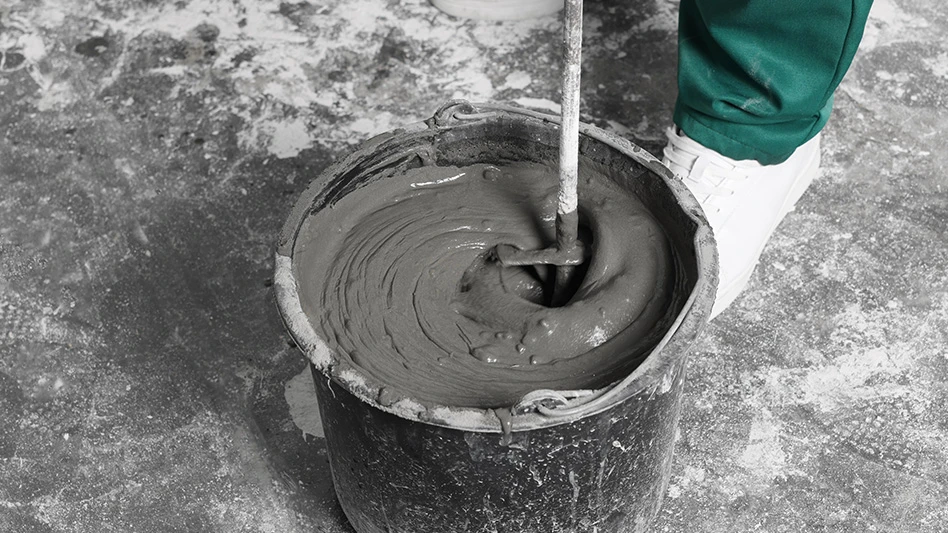
The company ships out wood biomass fuel, recycled concrete, soil amendments, metal, plastics and cardboard.
Colosimo commented that for much of the last 20 years, “the paradigm was upside down” in that companies “invested to make landfills better.” He said that now both the demand from customers and cost-effectiveness are on the side of recycling.
Ryan O’Gara of SKB Environmental, St. Paul, Minn., says the managing partners of his company have been experimenting with mixed C&D recycling since 1992. The company retreated from two of its first efforts, but since 2007 it has been operating a large-scale mixed C&D facility in Rosemount, Minn.
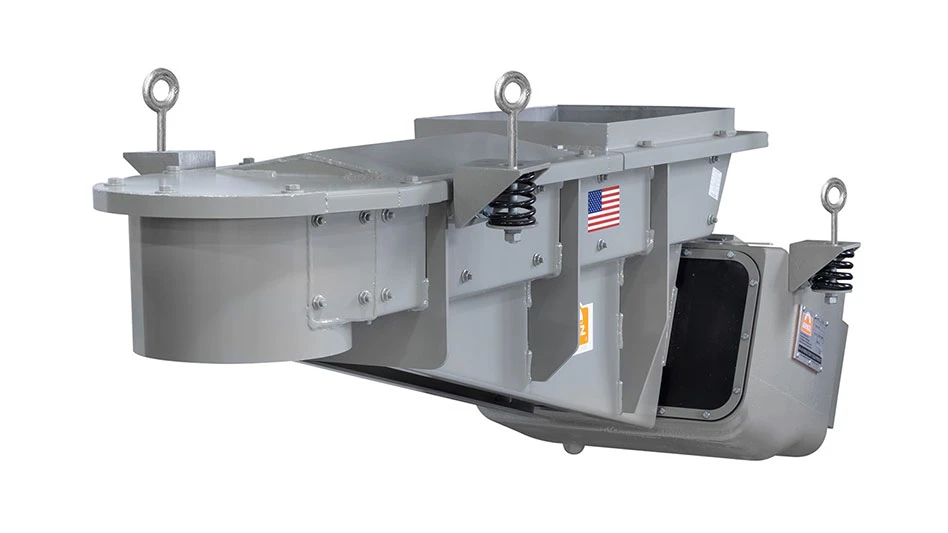
The recycling plant is set up near a landfill and features a Krause Manufacturing sorting system that includes manual sorting stations, screens, magnets and a grinder.
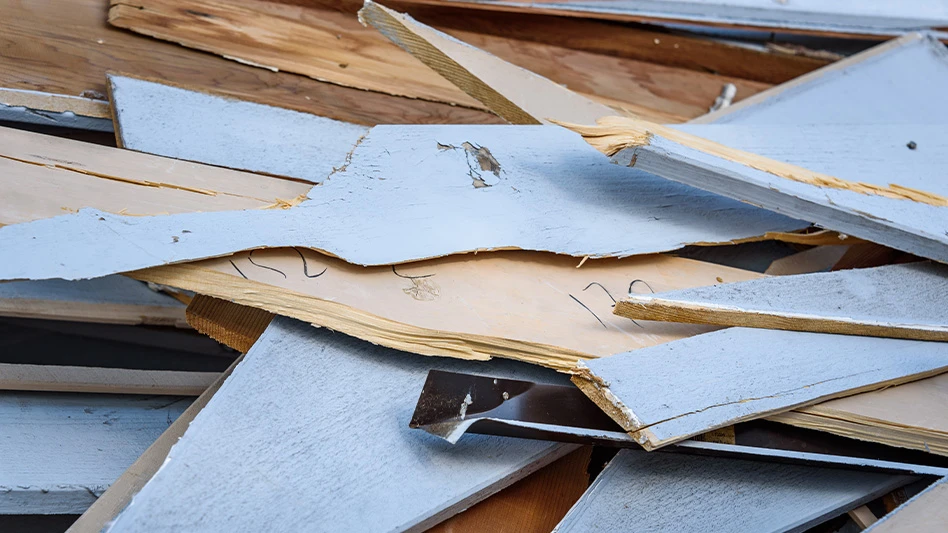
O’Gara said the company has helped develop the market for asphalt shingle recycling in Minnesota and has helped develop best practices to make alternative daily landfill cover (ADC) that does not cause problems because of too much gypsum content.
According to O’Gara, the C&D recycling industry should continue to develop end markets and pursue high landfill diversion rates, but “needs to safeguard against the rush to recycle at all costs.” He noted that in the cases of both shingle and gypsum recycling, early attempts to rush the materials into end markets may have caused more harm than good. “The long-term stability of our industry means ensuring the health and safety of [markets for] our products,” said O’Gara.
Latest from Construction & Demolition Recycling
- Greenwave raises revenue but loses money in Q2 2025
- Recycled steel prices hold steady
- John Deere launches ‘Building America’ excavator contest
- Triumvirate Environmental acquires Environmental Waste Minimization
- Coastal Waste & Recycling expands recycling operations with Machinex
- Reconomy acquires German-based GfAW
- CommanderAI launches HaulerCentral database
- Glass Recycling Foundation releases 2025 Impact Report