Photo courtesy of Beyond Toxics and Oregon Public Broadcasting
The United States Environmental Protection Agency (EPA) is making changes to streamline the process of cleaning up and decontaminating Superfund sites.
The polluted sites often contain buildings that create remediation, demolition and dismantling work for contractors.
An email from the EPA points to a recent Bloomberg report based on an interview with EPA Deputy Administrator David Fotouhi in which he says the agency is looking at tools such as initiating presumptive remedies to extending the use of removal actions being created to ensure Superfund sites are "rapidly attended to" so communities across the country are healthy and safe from contamination.
In a segment of the report excerpted by EPA, Fotouhi decries the notion that some Superfund sites entail "a yearslong effort before we even dig a shovel into the dirt.”
“Projects often get bogged down in legal disputes, sometimes blocking action for decades," he says.
According to Fotouhi, one approach the EPA is working involves deploying more presumptive remedies—cleanup plans at sites with well-known characteristics, such as former dry cleaners since the EPA has enough experience about the typical problems at such sites that it can leap into action quickly.
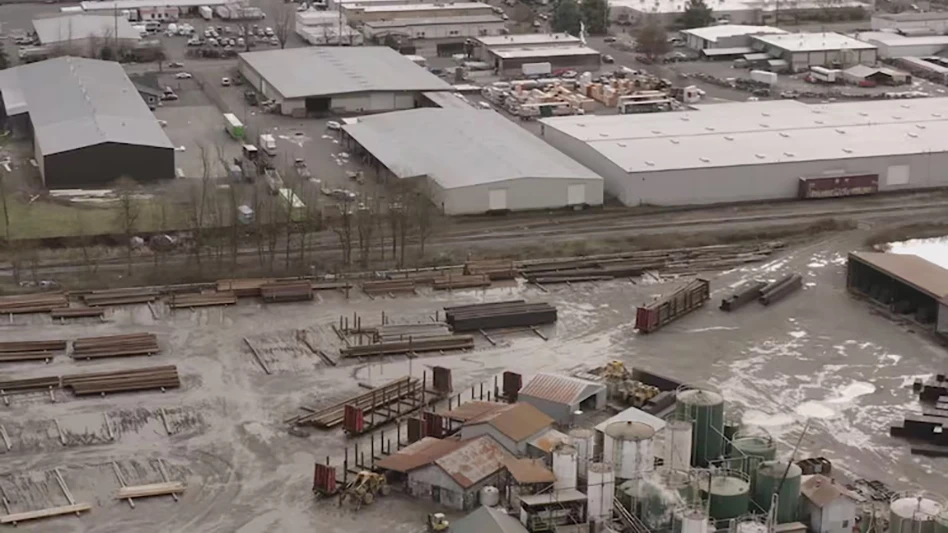
The report mentions the former JH Baxter wood treatment facility in Eugene, Oregon, which was added to the Superfund national priorities list last month, as an example of using presumptive remedies to speed up a timeline.
The JH Baxter site operated from 1943 to 2022 and released hazardous substances into nearby groundwater and soil, according to the EPA.
An image posted along with a December 2024 news report by Oregon Public Broadcasting shows the JH Baxter parcel as it appeared in 2022, when it contained several structures and metal tanks.
Fotouhi also tells Bloomberg the EPA will release a comprehensive plan this fall to address programmatic and technical evaluation issues.
"The agency is further taking a harder look at getting more sites to the ‘construction complete’ stage—a milestone in the life cycle of a site at which all the infrastructure needed for the cleanup, such as groundwater treatment systems, are built and installed, even if the site isn’t clean, yet," he says.
Latest from Construction & Demolition Recycling
- Metso adds Florida to Mellot’s distributor territory
- Maverick Environmental Equipment opens Detroit area location
- Nucor finishes 2025 with 14 percent earnings decline
- G2 Consulting Group acquires Construction Testing Services
- CBI to showcase 5900T horizontal grinder at ConExpo 2026
- Steel Dynamics reports 2025 financial results
- Global steel output continues slide in December 2025
- Smart equipment maintenance: How geofencing drives productivity