Several contracts for what may be Scotland’s largest proposed biomass power plant have been announced by RWE Npower Renewables of Swindon, United Kingdom, part of the German energy company RWE AG.
According to Martin Lynch of the Galway, Ireland, office of United States-based Industrial Info Resources, RWE has awarded contracts for the planned £200 million ($315 million) combined heat and power plant at Markinch, Fife, Scotland.
Key supplier companies will include Finland’s Metso and Norway’s Aker Solutions. The project represents the largest biomass investment by RWE.
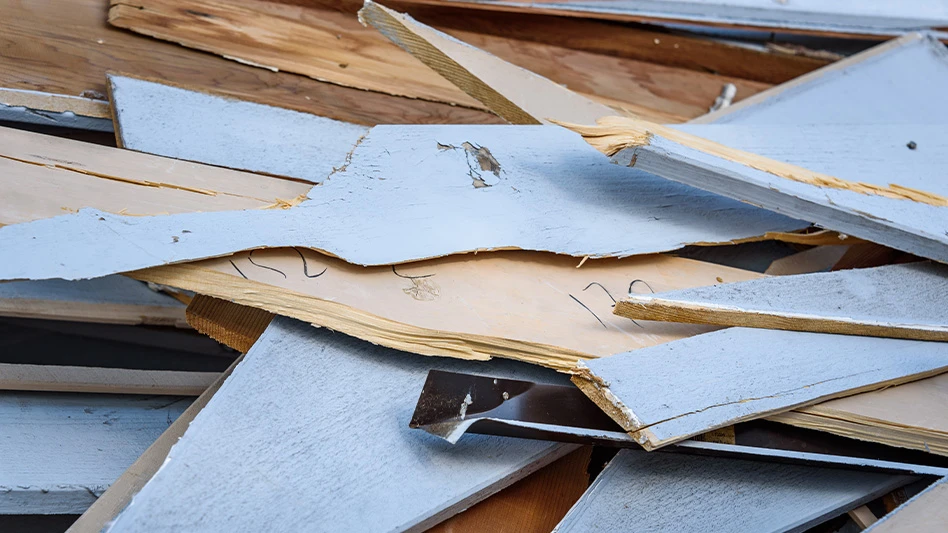
A new power boiler will be part of a co-generation plant that will supply a nearby paper mill with heat and electricity from biomass materials consisting mainly of recycled wood. It replaces the existing coal-fired power plant, which must be closed in accordance with an EU directive, according to IIR.
The new plant will reduce the CO2 emissions from the plant by 250,000 metric tons a year, a 72 percent reduction. Norway’s Aker has been a awarded a contract worth £115 million ($180 million) to provide design, supply, installation, construction and commissioning for the 50-megawatt (MW) biomass renewable energy plant at the Tullis Russell Papermakers plant. Metso has been contracted to provide a circulating fluidized bed boiler with a capacity of 155 megawatts thermal and a flue-gas treatment plant in a contract worth £75 million ($117 million).
“This project is RWE’s largest investment to date in biomass-based power generation and part of our ongoing commitment to invest €1 billion per annum in renewable energy,” says Stephan Lohr, RWE’s head of biomass. “In addition to this project, we are developing plans for a similar biomass plant in Lincolnshire with an installed capacity of 65 MW. Across Europe, we are aiming to build biomass plants with a total installed capacity of around 390 MW by 2013.”
Chris Parr, CEO of Tullis Russell Group, remarks, “This project heralds significant economic and environmental benefits for Scotland. The removal of 250,000 metric tons of fossil fuel CO2 each year from our local environment will make an enormous contribution to our relentless efforts to minimize the environmental impact of our operation on the local community.”
Latest from Construction & Demolition Recycling
- Vecoplan to present modular solutions at IFAT 2026
- Terex Ecotec appoints Bradley Equipment as Texas distributor
- Greenwave raises revenue but loses money in Q2 2025
- Recycled steel prices hold steady
- John Deere launches ‘Building America’ excavator contest
- Triumvirate Environmental acquires Environmental Waste Minimization
- Coastal Waste & Recycling expands recycling operations with Machinex
- Reconomy acquires German-based GfAW