The Seattle City Council has approved a zero waste strategy to increase recycling, reduce waste and upgrade the city’s transfer stations.
The plan is the result of more than 18 months’ work led by Councilmember Richard Conlin, chair of the Environment, Emergency Management and Utilities (EEMU) Committee, on how to improve recycling, reduce waste and avoid building a third transfer station in the Georgetown neighborhood.
The zero waste strategy’s main components include:
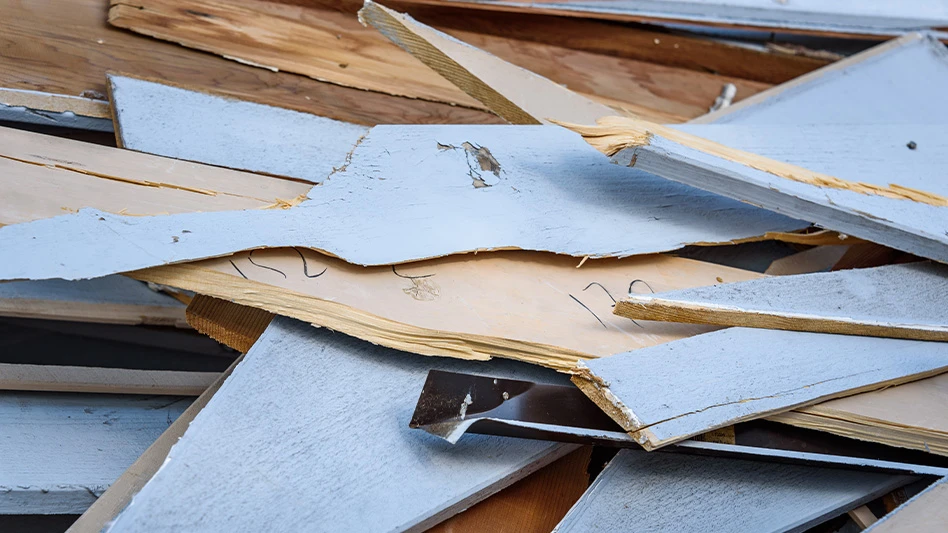
- Plans to increase the recycling of construction and demolition debris.
- The implementation of a new program in 2009 that will provide all single-family residences with food waste pick-up for composting.
- The renovation of two existing transfer stations for improved recycling.
- By December 2007, Seattle Public Utilities will have recommendations on whether to ban or discourage through taxation non-compostable plastic shopping bags and Styrofoam food containers.
- A $100,000 annual Waste Reduction/Recycling Matching Fund for community recycling initiatives.
- A cap on the amount of material
More information is available at www.seattle.gov.
Latest from Construction & Demolition Recycling
- Vecoplan to present modular solutions at IFAT 2026
- Terex Ecotec appoints Bradley Equipment as Texas distributor
- Greenwave raises revenue but loses money in Q2 2025
- Recycled steel prices hold steady
- John Deere launches ‘Building America’ excavator contest
- Triumvirate Environmental acquires Environmental Waste Minimization
- Coastal Waste & Recycling expands recycling operations with Machinex
- Reconomy acquires German-based GfAW