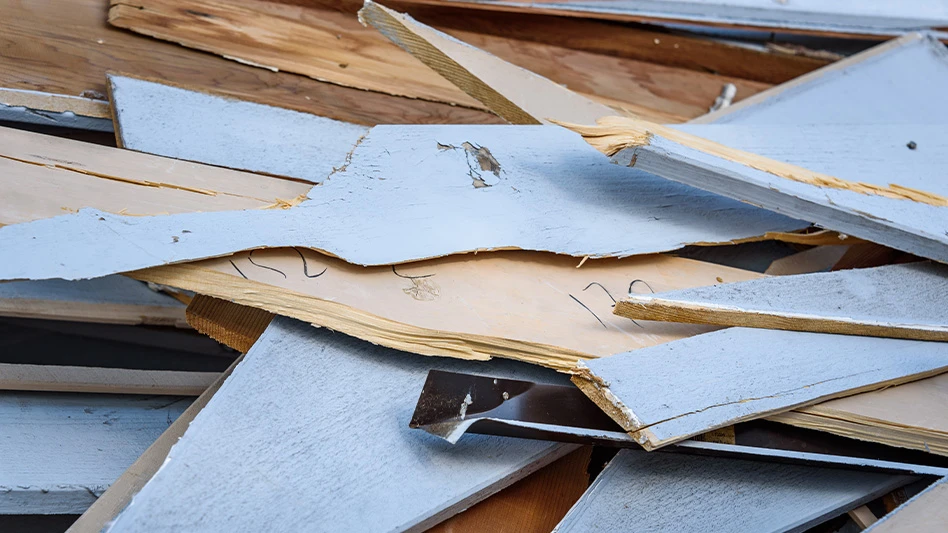
The New Hampshire Department of Environmental Services (DES) is looking at several formula options presented by members of the Construction Materials Recycling Association (CMRA) as a response to the agency’s recent ban on the use of C&D fines as alternative daily cover (ADC) in municipal solid waste (MSW) landfills.
The ban was instigated because the fines were being pointed to as the cause of hydrogen sulfide odors at some landfills. The CMRA, through its New England chapter management at Green Seal Environmental, worked with member companies LL&S and ERRCO Recycling to develop alternative fines formulations that could be used in MSW landfills without any adverse reaction.
LL&S, based in Salem, N.H., used 30-cubic-yard rolloffs to simulate conditions in a landfill to try out various formulations of the fines, i.e., fines alone, fines mixed with coal ash, fines mixed with sand, etc. to see if odors would be created.
The preliminary results were presented in an October meeting of the C&D Fines Workgroup formed by the DES. The work group is made up of C&D recyclers, landfill operators, DES officials, academia and the CMRA.
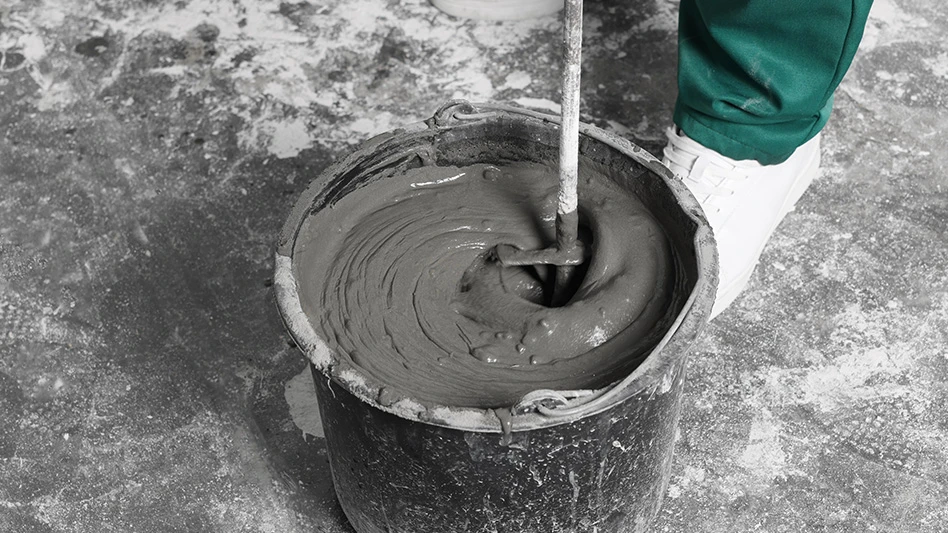
The preliminary results showed that a mixture of virgin soil, C&D fines, and coal ash mixed in a 1:1:1 ratio created little if any hydrogen sulfide odor. The fines came from a process that used the best management practice of kick-sorting all incoming gypsum out of the C&D recycling facility.
Other mixtures also showed promise, and were to be further explored. In addition, some other uses for the fines, such as a fill material, was being investigated by the DES as another outlet for the byproduct of C&D processing. DES personnel promised that the agency would take quick action on deciding which option could start being used as soon as possible, as the fines material was starting to stack up on the recyclers’ sites. The DES ban had unexpectedly cut off their main outlet for the material.
William Turley, executive director of the CMRA, says he is glad the DES has taken a proactive stance toward finding ways to use the fines. “C&D fines are going to be a part of any recovery effort for construction and demolition materials, and recyclers need a steady, assured, and safe outlet for the fines. In addition, the landfill operators find it economically attractive to use the fines for ADC, making a solution mutually beneficial. By working with industry to find this solution, DES is doing its part to help C&D recycling continue to benefit the environment.”Latest from Construction & Demolition Recycling
- Vecoplan to present modular solutions at IFAT 2026
- Terex Ecotec appoints Bradley Equipment as Texas distributor
- Greenwave raises revenue but loses money in Q2 2025
- Recycled steel prices hold steady
- John Deere launches ‘Building America’ excavator contest
- Triumvirate Environmental acquires Environmental Waste Minimization
- Coastal Waste & Recycling expands recycling operations with Machinex
- Reconomy acquires German-based GfAW