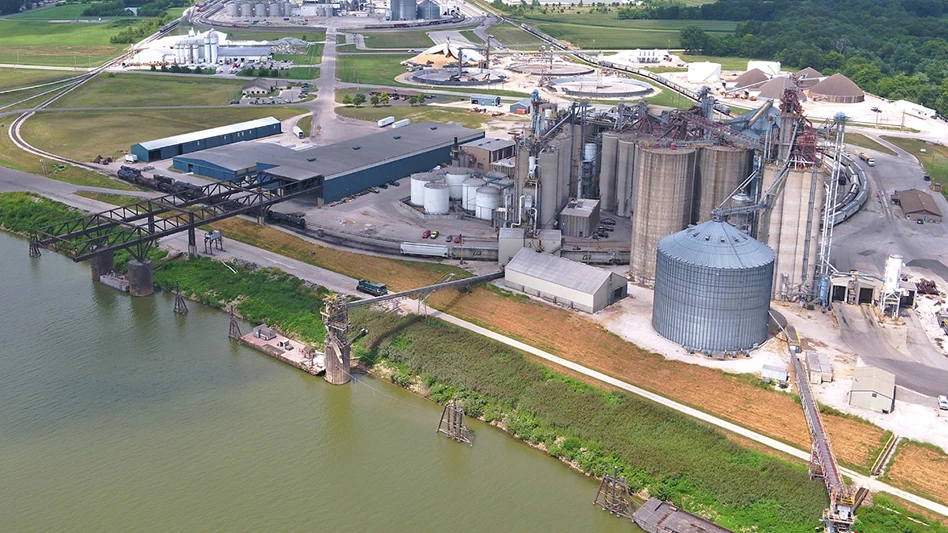
Photo courtesy of Ports of Indiana
Ongoing dry weather in parts of the United States Midwest and South have led to lower water levels on the Ohio River and other parts of the Mississippi River barge and inland waterways network.
Supply chain reporting outlet FreightWaves says drought conditions in areas that drain into the Ohio River and other parts of the country have led to restrictions on barge sizes on the Mississippi River starting last Friday.
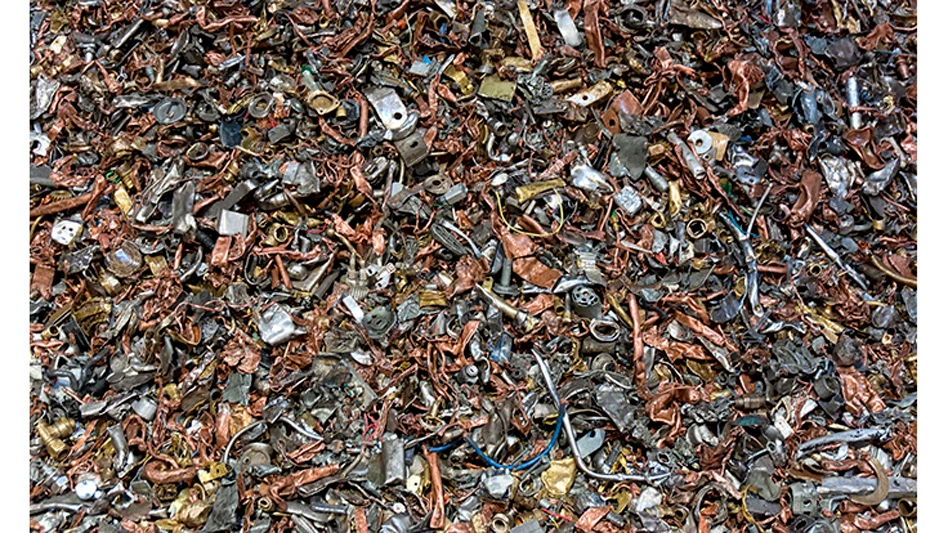
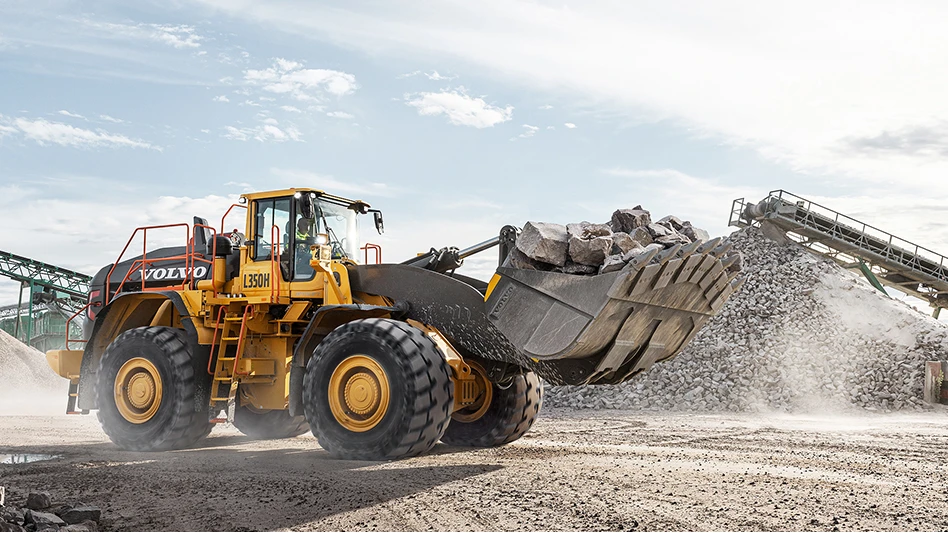
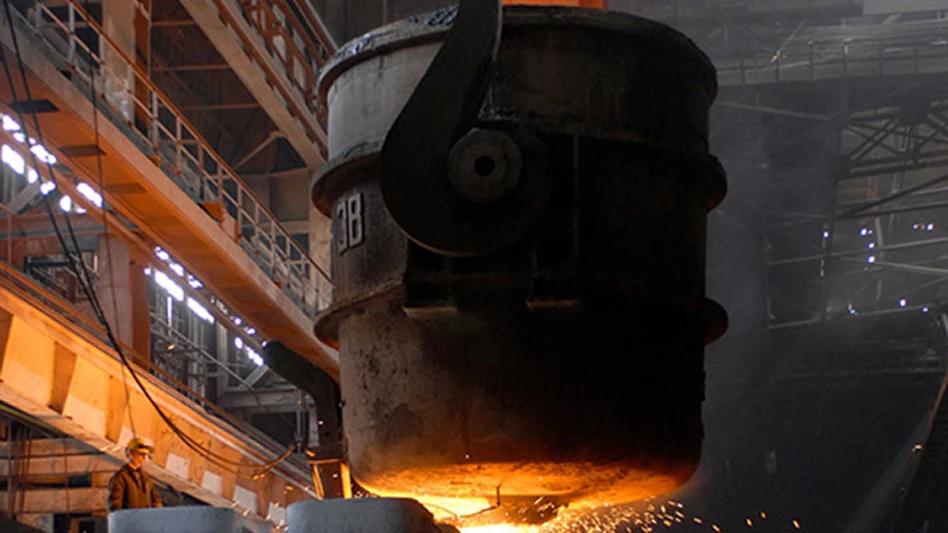
Several steel mills in the South and Midwest receive recycled steel feedstock by barge and ship out finished and semifinished steel via the same inland water network. The waterways system also carries aggregates and other materials affecting the construction and manufacturing sectors.
According to FreightWaves, citing National Oceanic and Atmospheric Administration (NOAA) tracking and forecasting, Mississippi River water flows at Memphis could reach a low threshold of minus-8 feet by the middle of the week starting Sept. 29.
Citing a statement put out by the U.S. Coast Guard, there are current limitations between Cairo, Illinois, where the Ohio River joins the Mississippi, restricting barges to drafts of 10 feet and widths of six barges wide. Those restrictions carry south to Lake Providence in Louisiana.
Normally, barge groupings up to eight wide and six barges long are permissible.
FreightWaves also quotes a soybean trade group executive as saying the restrictions are becoming a problem, although conditions have not reached the “really traumatic” state they did last year or earlier this decade.
The news service further quotes Donnie Williams of the Lower Mississippi River Commission as saying, “Four years ago, we reached historical lows, the lowest the Mississippi River had ever been; we’re hoping and praying we don’t set another record this year.”
Latest from Construction & Demolition Recycling
- Sybilion seeks to help manufacturers confidently address volatility
- Construction backlog rebounds in February
- USTR to study additional steel, aluminum tariffs
- Shawmut commemorates National Women in Construction Week
- Holcim expands presence in Colombia with agreement to acquire Cemex operations
- eFactor3 enters into separation tech partnership
- Mitsubishi Logisnext Americas to rebrand as Logisnext Americas
- Burns Services diverts more than 1.2M tons of C&D materials from landfills