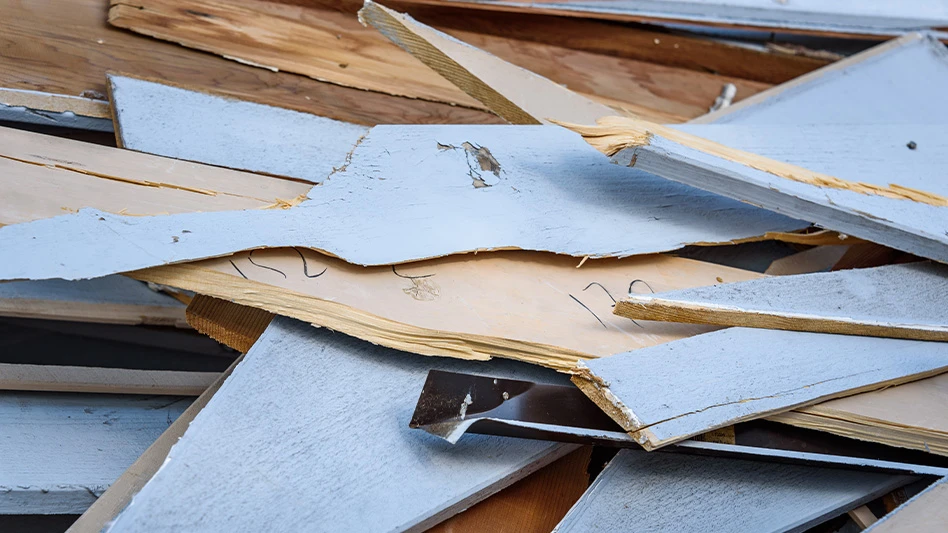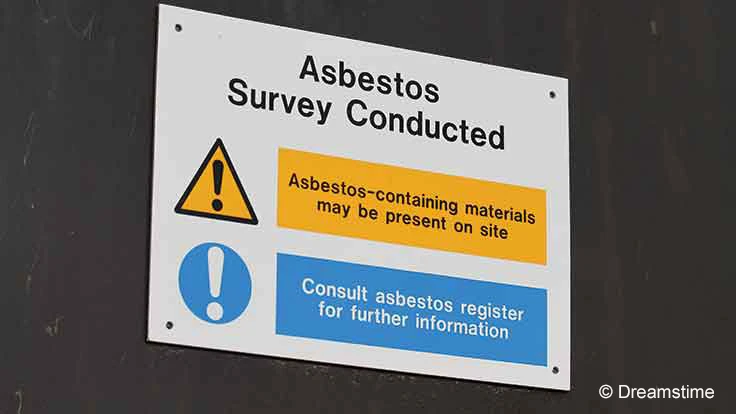
The Michigan Occupational Safety and Health Administration (MIOSHA) has launched a state emphasis program that will increase MIOSHA presence on blight removal projects across the state to address hazards such as asbestos and lead that pose health threats to workers. MIOSHA is part of the Michigan Department of Licensing and Regulatory Affairs (LARA).
In 2010, the U.S. Department of the Treasury provided assistance to states most severely impacted by the foreclosure crisis. Michigan received additional funding for blight removal in 2016, predominantly in the Cities of Detroit and Flint.
During the year-long program, MIOSHA will inspect mostly residential blight removal job sites for hazards associated with asbestos, lead and cadmium, as well as all other serous hazards.
“As Michigan continues to eliminate blight and revitalize its neighborhoods, its especially important that the men and women working on these projects are protected from potential health hazards,” said MIOSHA Acting Director Bart Pickelman. “Beginning this month,
MIOSHA will be inspecting more job sites to ensure employees involved in blight cleanup are properly trained, protected and equipped to work with hazardous materials in a safe manner.”
Blight reduction hazards include materials within structural members such as lead, asbestos, cadmium, silica and other chemicals or heavy metals requiring special material handling. During each inspection, the agency will work with employers to assist them in identifying hazards that are associated with these hazardous work operations.
MIOSHA’s Asbestos Program ensures that people working with asbestos are properly trained and the individuals performing asbestos removal comply with rules governing the work activity. Contractors performing friable asbestos removal or encapsulation work in Michigan must provide project notifications indicating the start and end dates and other job-related information to the Asbestos Program within a specified time frame.
In 2010, the U.S. Department of the Treasury provided assistance to states most severely impacted by the foreclosure crisis. Michigan received additional funding for blight removal in 2016, predominantly in the Cities of Detroit and Flint.
During the year-long program, MIOSHA will inspect mostly residential blight removal job sites for hazards associated with asbestos, lead and cadmium, as well as all other serous hazards.
“As Michigan continues to eliminate blight and revitalize its neighborhoods, its especially important that the men and women working on these projects are protected from potential health hazards,” said MIOSHA Acting Director Bart Pickelman. “Beginning this month,
MIOSHA will be inspecting more job sites to ensure employees involved in blight cleanup are properly trained, protected and equipped to work with hazardous materials in a safe manner.”
Blight reduction hazards include materials within structural members such as lead, asbestos, cadmium, silica and other chemicals or heavy metals requiring special material handling. During each inspection, the agency will work with employers to assist them in identifying hazards that are associated with these hazardous work operations.
MIOSHA’s Asbestos Program ensures that people working with asbestos are properly trained and the individuals performing asbestos removal comply with rules governing the work activity. Contractors performing friable asbestos removal or encapsulation work in Michigan must provide project notifications indicating the start and end dates and other job-related information to the Asbestos Program within a specified time frame.
Latest from Construction & Demolition Recycling
- Des Moines project utilizes recycled wind turbine blades
- Vecoplan to present modular solutions at IFAT 2026
- Terex Ecotec appoints Bradley Equipment as Texas distributor
- Greenwave raises revenue but loses money in Q2 2025
- Recycled steel prices hold steady
- John Deere launches ‘Building America’ excavator contest
- Triumvirate Environmental acquires Environmental Waste Minimization
- Coastal Waste & Recycling expands recycling operations with Machinex