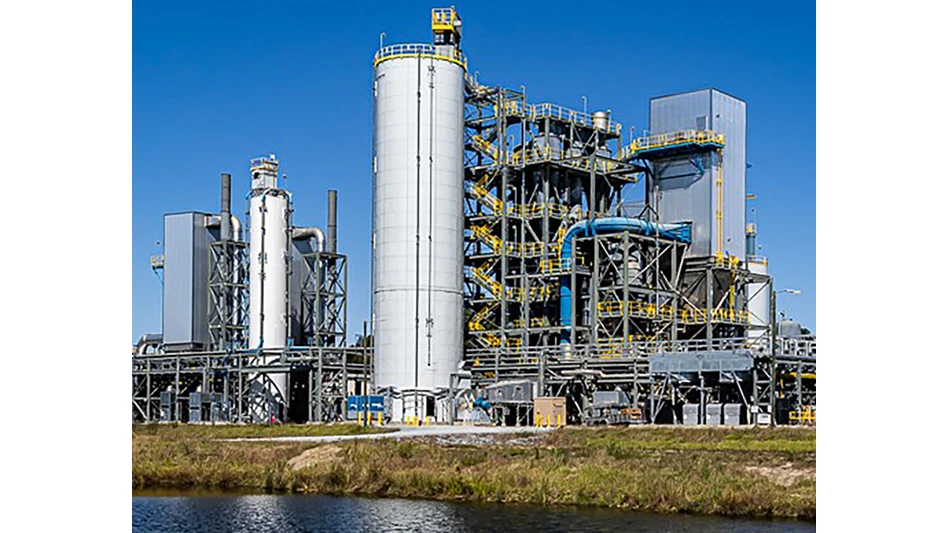
Photo courtesy of Heidelberg Materials North America
Irving, Texas-based Heidelberg Materials North America says it has processed more than 8 million tons of coal ash for beneficial, encapsulated use in construction and infrastructure applications, saving it from being disposed of in landfills.
“Our commitment to sustainable practices and advanced beneficiation technologies has never been stronger,” says Bill Fedorka, senior vice president of fly ash at Heidelberg Materials NA.
“We continue to enhance the performance of coal ash in concrete applications while dramatically reducing the volume stored in impoundments. To date, over 8 million tons have been responsibly reclaimed and repurposed, supporting critical infrastructure projects nationwide and reinforcing our role in building a cleaner, more resilient future.”
Through Heidelberg Materials' proprietary STAR technology, coal ash is excavated from “legacy ponds” near coal mining and processing sites and then treated to remove contaminants such as carbon. It thus can be converted into what Heidelberg calls “high-quality, specification-grade" fly ash for use in concrete and other industrial products.
“This milestone is an operational achievement and a testament to our dedication to innovation and environmental stewardship,” says Scott Dickson, president of Heidelberg Materials NA's Southeast Region. “By recovering usable materials, we reduce landfill impact and deliver sustainable products that meet the evolving needs of our customers.”
Heidelberg Materials NA is part of Germany-based Heidelberg Materials and describes itself as a “frontrunner" on the path to decarbonizing the built environment and growing the circular economy in the construction materials industry.
Latest from Construction & Demolition Recycling
- Sybilion seeks to help manufacturers confidently address volatility
- Construction backlog rebounds in February
- USTR to study additional steel, aluminum tariffs
- Shawmut commemorates National Women in Construction Week
- Holcim expands presence in Colombia with agreement to acquire Cemex operations
- eFactor3 enters into separation tech partnership
- Mitsubishi Logisnext Americas to rebrand as Logisnext Americas
- Burns Services diverts more than 1.2M tons of C&D materials from landfills