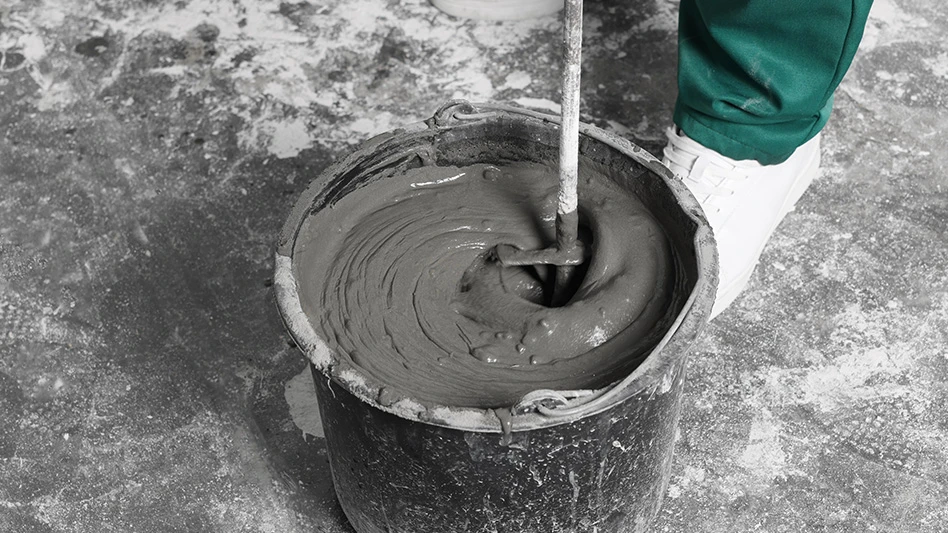
The U.S. Environmental Protection Agency (EPA) is issuing final rules designed to protect Americans’ health by cutting emissions of mercury, particle pollution and other harmful pollutants from Portland cement manufacturing. The EPA says producing Portland cement is the third largest source of mercury air emissions in the United States.
This action sets the nation’s first limits on mercury air emissions from existing cement kilns, strengthens the limits for new kilns and sets emission limits that will reduce acid gases. The action also limits particle pollution from new and existing kilns and sets new-kiln limits for particle and smog-forming nitrogen oxides and sulfur dioxide.
When fully implemented in 2013, EPA estimates the following annual reductions in emissions:
- Mercury – 16,600 pounds, or 92 percent;
- Total hydrocarbons – 10,600 tons, or 83 percent;
- Particulate Matter – 11,500 tons, or 92 percent;
- Acid gases – (measured as hydrochloric acid): 5,800 tons or 97 percent;
- Sulfur dioxide – 110,000 tons or 78 percent; and
- Nitrogen oxides – 6,600 tons or 5 percent.
Latest from Construction & Demolition Recycling
- Vecoplan to present modular solutions at IFAT 2026
- Terex Ecotec appoints Bradley Equipment as Texas distributor
- Greenwave raises revenue but loses money in Q2 2025
- Recycled steel prices hold steady
- John Deere launches ‘Building America’ excavator contest
- Triumvirate Environmental acquires Environmental Waste Minimization
- Coastal Waste & Recycling expands recycling operations with Machinex
- Reconomy acquires German-based GfAW