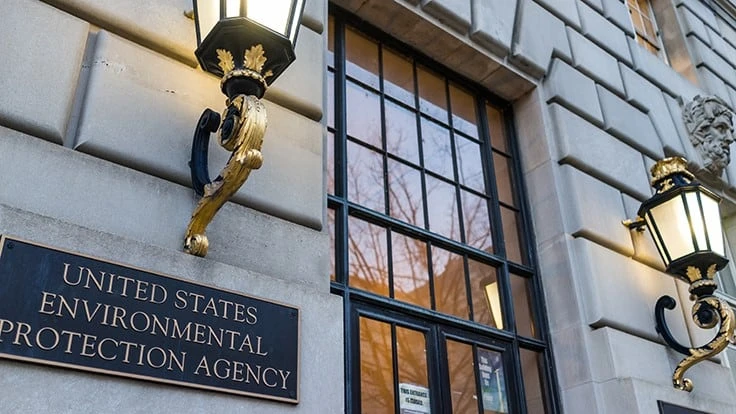
The U.S. Environmental Protection Agency (EPA) evaluated the substance known as cyclic aliphatic bromide cluster (HBCD) under the amended Toxic Substances Control Act (TSCA) and completed its final risk evaluation in September. HBCD is primarily used as a flame retardant in building materials like insulation, solder paste, recycled plastics and automobile replacement parts.
EPA's final risk evaluation for HBCD shows that there are unreasonable risks to the environment for six out of 12 conditions of use. Additionally, EPA found unreasonable risks to workers and occupational non-users from the use and disposal of HBCD in building and construction materials. EPA did not find unreasonable risks to the general population or consumers.
According to the EPA, the use of HBCD has declined dramatically over the past few years, primarily due to the use of replacement chemicals. U.S. manufacturers have indicated complete replacement of HBCD in their production lines, including the depletion of stockpiles and cessation of export.
The next step in the process required by TSCA is addressing these risks. EPA will now begin the process of developing ways to address the unreasonable risks identified and has up to one year to propose and take public comments on any risk management actions.
Latest from Construction & Demolition Recycling
- Waste Pro files brief supporting pause of FMCSA CDL eligibility rule
- Des Moines project utilizes recycled wind turbine blades
- Vecoplan to present modular solutions at IFAT 2026
- Terex Ecotec appoints Bradley Equipment as Texas distributor
- Greenwave raises revenue but loses money in Q2 2025
- Recycled steel prices hold steady
- John Deere launches ‘Building America’ excavator contest
- Triumvirate Environmental acquires Environmental Waste Minimization