The 2004 hurricane season started with a rush, bringing early storm damage to parts of the eastern U.S., with Florida particularly hard hit.
Hurricane Charley crossed portions of the Sunshine State, moving in a diagonal line from southwest to northeast, in August. Charley went on to cause additional havoc along parts of the Carolina coast as well.
The storm, with winds as strong as 145 mph, came ashore near Punta Gorda, Fla., on the Gulf Coast and left residents homeless across several stretches of central Florida.
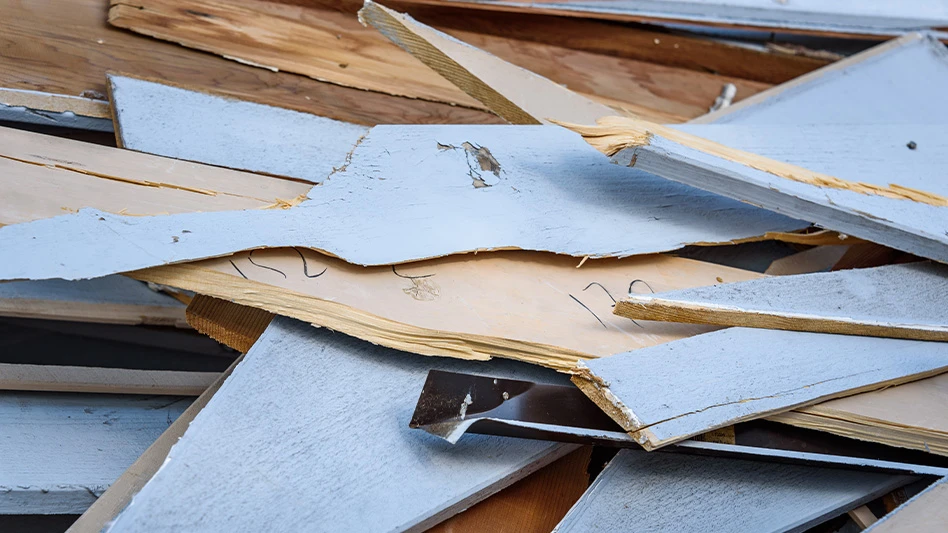
Charley is estimated to have caused billions of dollars in damages and has provided the a massive amount of clean-up material consisting of downed trees, tree limbs and unplanned demolition scrap.
Less than a week after the storm moved through, the Daytona Beach News-Journal was reporting that municipal work crews and private contractors were “out in force . . . loading trucks of the jungle-like mess and taking it to collection points to be ground up and taken to landfills.”
The newspaper contacted officials in several communities near Daytona Beach’s home county, Volusia County, with one official estimating that 600,000 cubic yards of debris would need to be processed there.
Early estimates by insurance companies calculated a damage amount of $11 billion to insured structures statewide. The Federal Emergency Management Agency (FEMA) has sent teams to Florida to help local officials and residents organize their clean-up efforts and National Guard units also responded quickly.
Initial clean-up efforts focused on any areas where a rescue possibility might exist, followed by the priority of clearing roads and streets of debris.
Latest from Construction & Demolition Recycling
- Vecoplan to present modular solutions at IFAT 2026
- Terex Ecotec appoints Bradley Equipment as Texas distributor
- Greenwave raises revenue but loses money in Q2 2025
- Recycled steel prices hold steady
- John Deere launches ‘Building America’ excavator contest
- Triumvirate Environmental acquires Environmental Waste Minimization
- Coastal Waste & Recycling expands recycling operations with Machinex
- Reconomy acquires German-based GfAW