Holcim, Inc. has agreed to limit the amount of slag it uses from Asarco's idled East Helena, Montana, plant — and will not use any more slag from a Canadian smelter — after tests from the state showed "a slew" of heavy metals in the slag.
Holcim, which operates a cement plant near Three Forks, will voluntarily limit the amount of Asarco slag it uses to 15,000 tons per year, Richard Opper, director of the state Department of Environmental Quality, said on Friday. Last year, the company used about 10,000 tons.
"Tests showed arsenic, cadmium, mercury, zinc — a slew of heavy metals — in the slag that could pose a health risk," Opper said. "We need to know what's coming out of the stacks … and we definitely will be monitoring their emissions."
The DEQ determined that 15,000 tons per year meets "negligible risk standards" for the protection of human health and the environment.
Ash Grove in Montana City has utilized Asarco slag in its cement manufacturing process for about 30 years. Last year, the company used about 18,000 tons of Asarco slag, according to plant manager Dick Johnson.
The state may be able to regulate Holcim's use of slag because it only recently started using it. But the Montana City cement plant's use is allowed without the type of regulations like Holcim because of Ash Grove's long-term use of Asarco's slag.
Still, Anne Hedges with the Montana Environmental Information Center believes neither plant should use any of the slag until the emissions — and not just the slag — are tested.
She was astounded that DEQ will allow any burning of slag without knowing what's being sent into the air through the smokestacks.
"This is pathetic, a slap on the wrist to the company (Holcim) that ignored all the laws and did what they wanted to do, and now are asking forgiveness," Hedges said. "This deserves an EA (Environmental Assessment) and a permit. They shouldn't be burning slag until they know what's coming out of the stack."
The dispute over the materials burned at the Holcim plant began about four years ago when the company applied for a permit to use tires as kiln fuel.
In April, it was disclosed that Holcim had been burning Asarco's slag for about two years, and environmental groups asked the Schweitzer administration to stop the practice because Holcim lacked the necessary air quality permit. As part of the discussion, it was learned that Ash Grove had been using the slag for about three decades.
Slag is rich in iron, which is an integral part of cement.
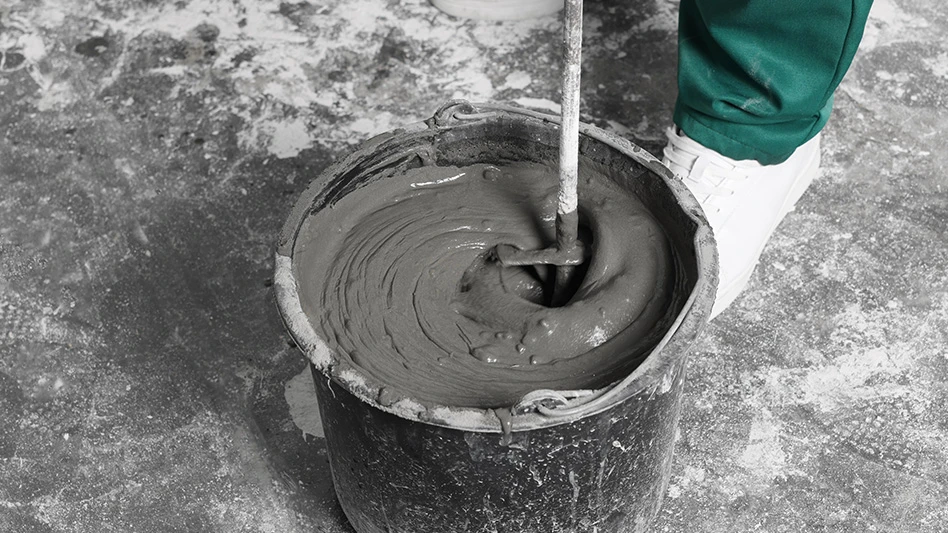
The slag, a black, glass-like leftover product from Asarco's lead smelting process, is mixed with other cement ingredients such as sandstone, limestone and water, then baked in a kiln. That product is then mixed with other materials, ground finely and sold as finished cement.
The companies say the Asarco slag not only is cheaper than other sources, but is better for the environment because it is recycled rather than newly mined.
Ash Grove and Holcim officials weren't surprised to learn that the slag has heavy metals in it, based on its former use as ore at Asarco, but are quick to add that metals in the slag are entombed in the cement, and aren't released in the air.
However, environmental groups believe cooking slag still could send a range of toxins from smokestacks, similar to what happened in the East Helena area from the Asarco plant.
Nicole Prokop, alternative material manager for Holcim, said the company would like a little more flexibility in the amount of slag it can use. But she added that what's more important than the makeup of the slag is what is emitted through the smokestacks, and emission tests by Holcim show only an increase in nickel.
"We want to protect the public's health and environment and operate safely, and are committed to doing things the right way," Prokop said. "We know what comes out of our stacks."
Johnson said Ash Grove annually tests emissions, but has no plans to increase that monitoring in the future. Still, Opper is optimistic some type of arrangement can be worked out to check Ash Grove's emissions when using the slag.
"We need to know what is coming out of the stacks," Opper said. "It's tricky, because one test doesn't determine what's coming out; the nature of slag is variable, the nature of the operations is variable and what is put into the kiln is variable."
Prokop said that she's pleased Holcim and the DEQ have reached an agreement over the use of slag so that the DEQ can resume work on an Environmental Impact Statement, assessing the plan by Holcim to old burn tires as kiln fuel at the cement plant.
That EIS had been put on hold while DEQ evaluated the effects of using slag; those results will be included in the document.
"We're hoping that the EIS can move forward," Prokop said. "They put it on the shelf until the slag issue was resolved." Helena (Montana) Independent
Latest from Construction & Demolition Recycling
- Vecoplan to present modular solutions at IFAT 2026
- Terex Ecotec appoints Bradley Equipment as Texas distributor
- Greenwave raises revenue but loses money in Q2 2025
- Recycled steel prices hold steady
- John Deere launches ‘Building America’ excavator contest
- Triumvirate Environmental acquires Environmental Waste Minimization
- Coastal Waste & Recycling expands recycling operations with Machinex
- Reconomy acquires German-based GfAW